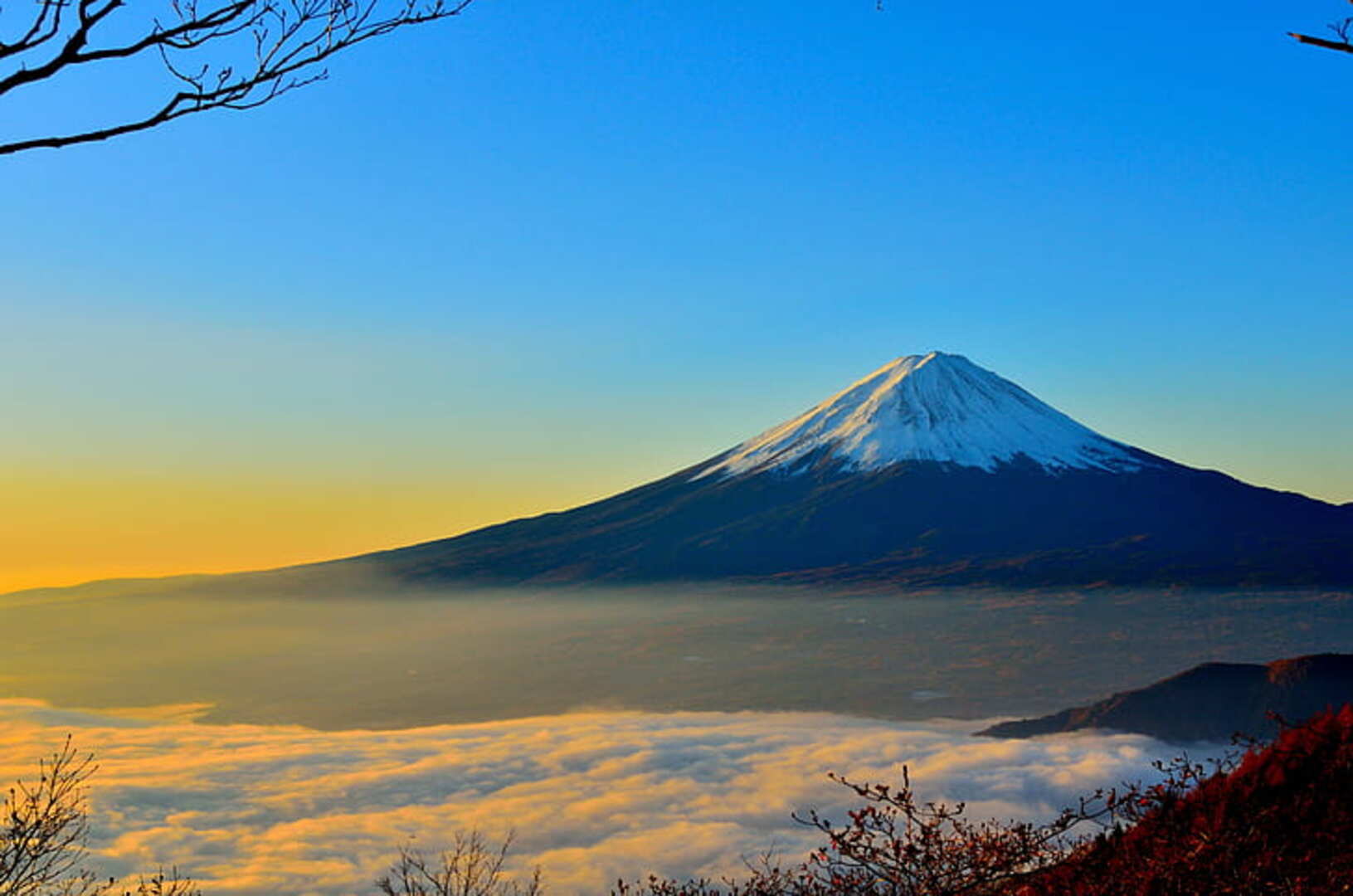
Plan Your Mount Fuji Hike
Japan’s most iconic peak , a perfectly symmetrical volcano with sweeping views over the Fuji Five Lakes and the Japanese Alps.

Japan’s most iconic peak , a perfectly symmetrical volcano with sweeping views over the Fuji Five Lakes and the Japanese Alps.
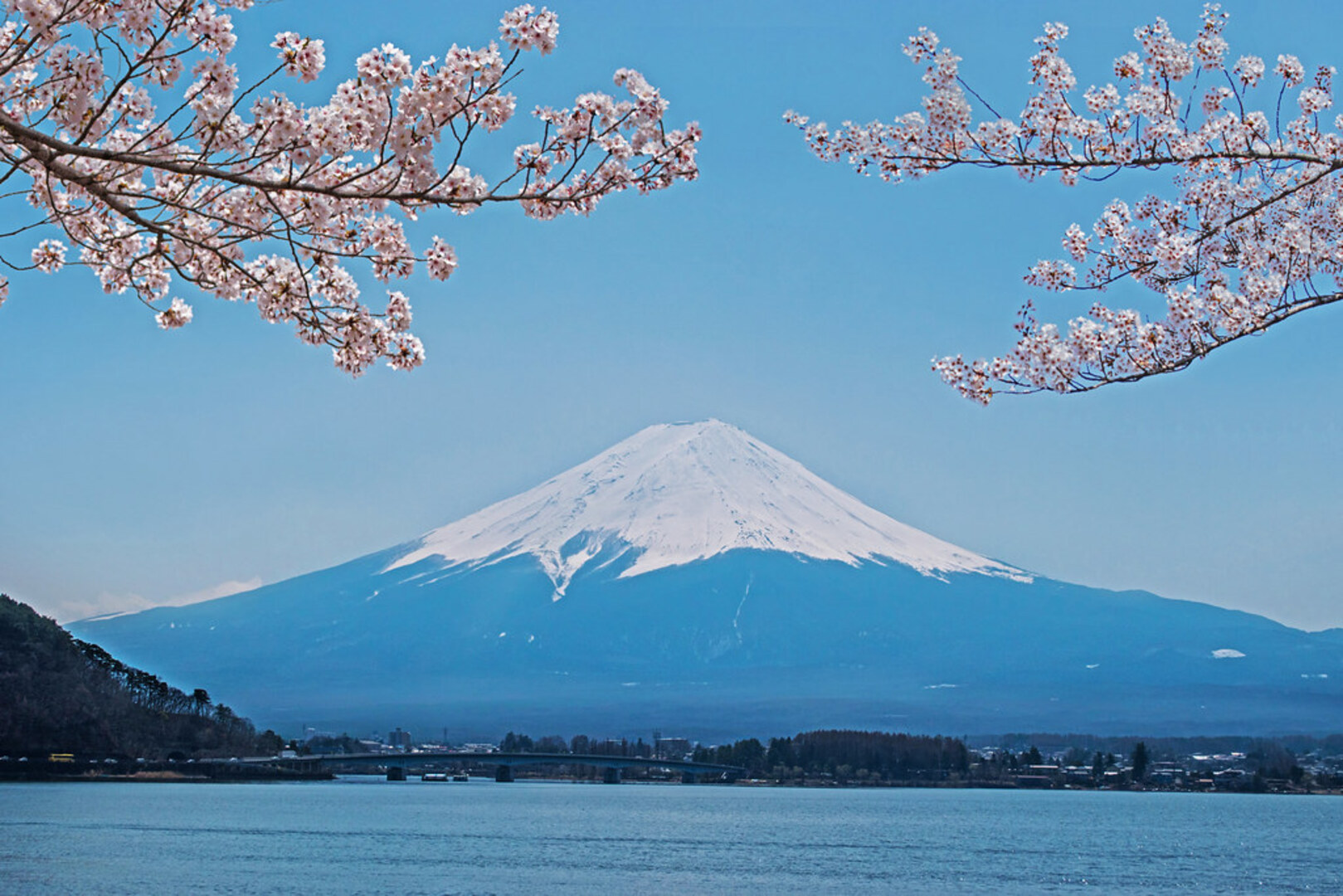
Plan access and guided options for Mount Fuji. Use the official park or climb site for permits, fees, and safety rules. Use a trusted partner for guided hikes, transfers, and day tours with mobile tickets. Confirm altitude, weather, and inclusions before you book.

Best for official climbing season dates, trail rules, conservation fees, and hut guidance before you book any guided day.
Useful for licensed guides, cable-car or transfer packages, skip-the-line park entry where offered, and flexible cancellation on many Headout listings.
Choose the official site for permits and park rules. Choose a partner tour when you want logistics handled (pickup, guide, timed entry) on a short trip.
Hand-picked Mount Fuji hikes and day tours on Headout. Prices and availability update on the partner site; confirm altitude, duration, and inclusions before you book.
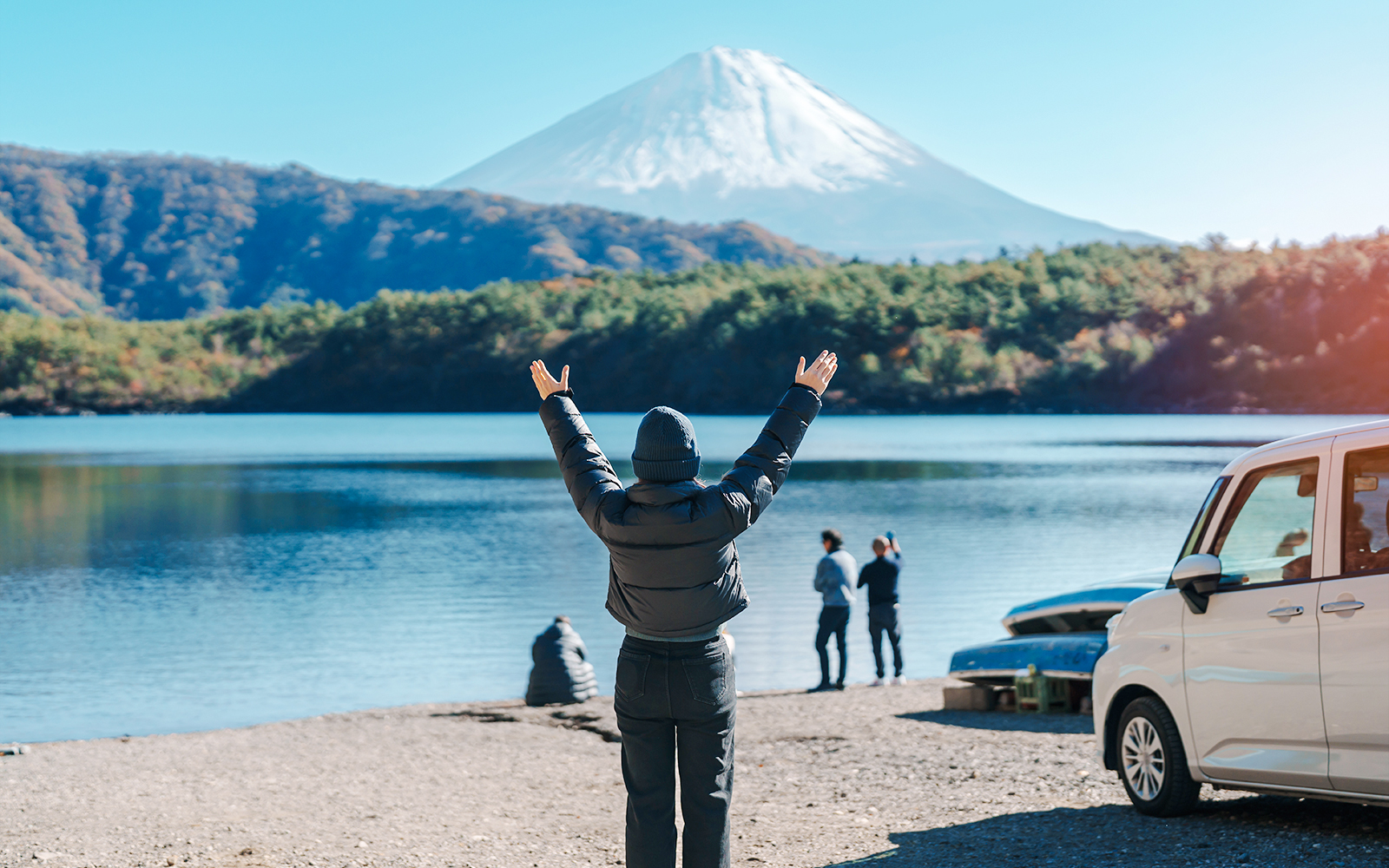


Mount Fuji Private Tour: Explore Top Spots at Your Pace (10 Hours)
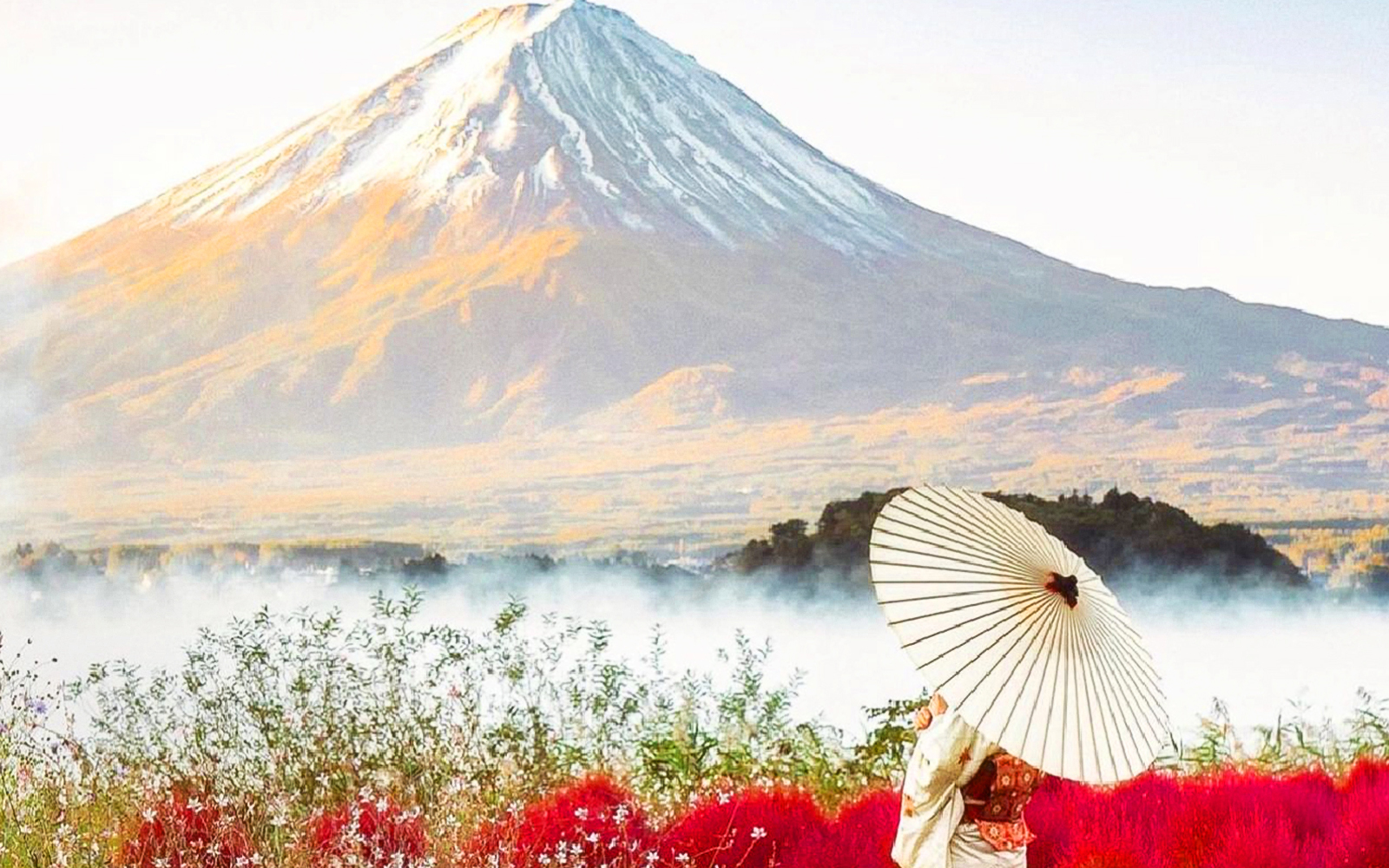
Mount Fuji Guided Day Tour with Kachikachi Ropeway & Matcha-Making Experience
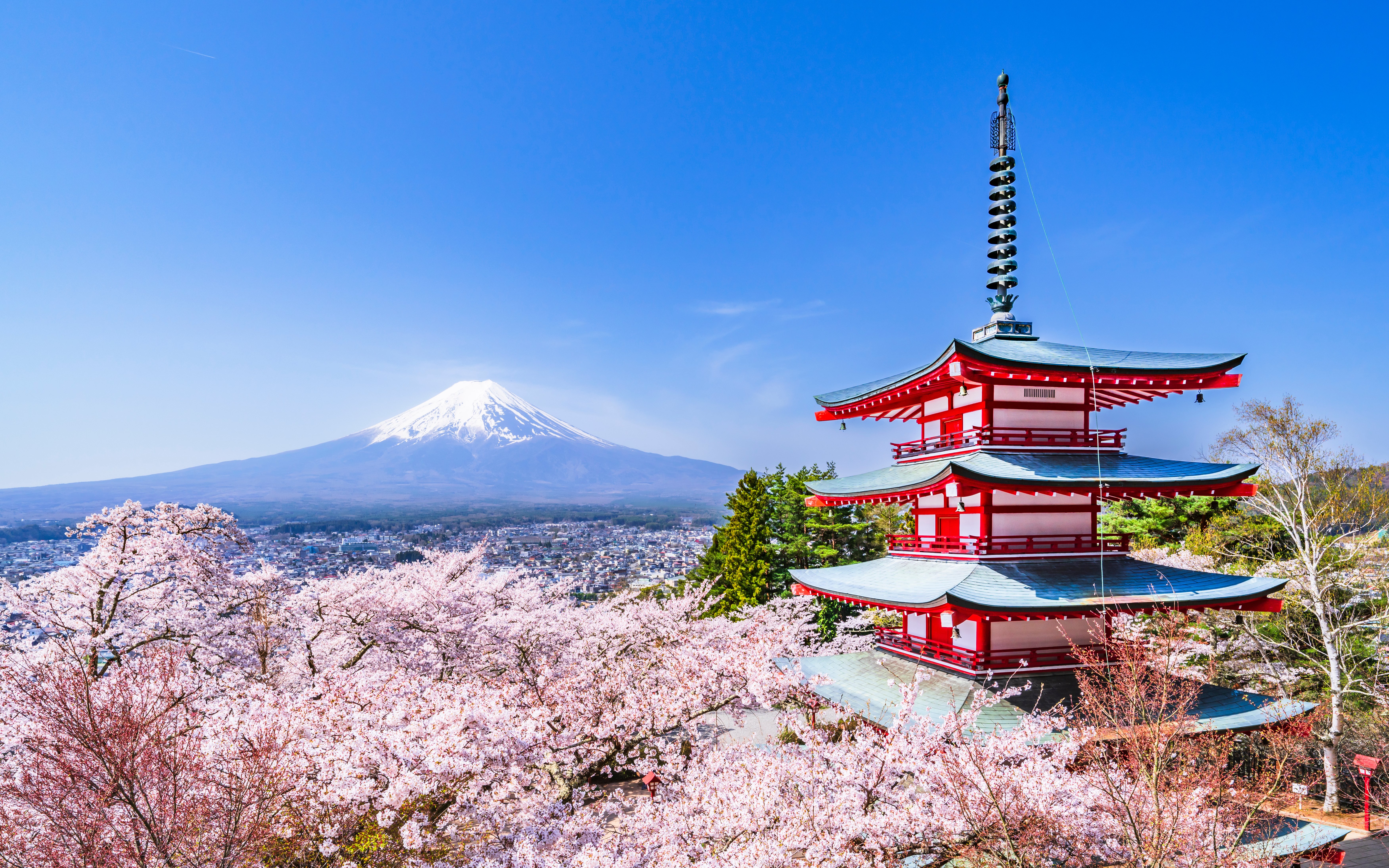
Mount Fuji Highlights Tour: Chureito Pagoda, Lake Kawaguchi, Oshino Hakkai, & More

Experience Japan’s most famous mountain, a perfectly symmetrical volcano that has inspired art, pilgrimage, and poetry for centuries.
Explore lakeside viewpoints, forested trails, and hot-spring towns around Mount Fuji and the Fuji Five Lakes region.
See cherry blossoms and fresh greenery in spring, climb in the summer hiking season, or admire snowy slopes and clear winter views and sunrises.
Mountain weather around Mount Fuji changes quickly. Check a local forecast the morning you hike and turn around if conditions drop.
Long approaches and busy viewpoints are safer and quieter with a dawn start.
Boots, layers, waterproofs, water, food, sun protection, and navigation, even on short valley walks.
Conditions change. Confirm trail status, weather, and access rules on fujisan-climb.jp before you go.
A highlight of hiking around Mount Fuji.
A highlight of hiking around Mount Fuji.
A highlight of hiking around Mount Fuji.
10 hours • private guide • waterfalls, lakes & Fuji views
2 days • guided summit climb • mountain hut & onsen
Lakeside walks • boat trips • classic postcard views of Mount Fuji
Seasonal flower displays • Fuji viewpoints • lakeside promenade
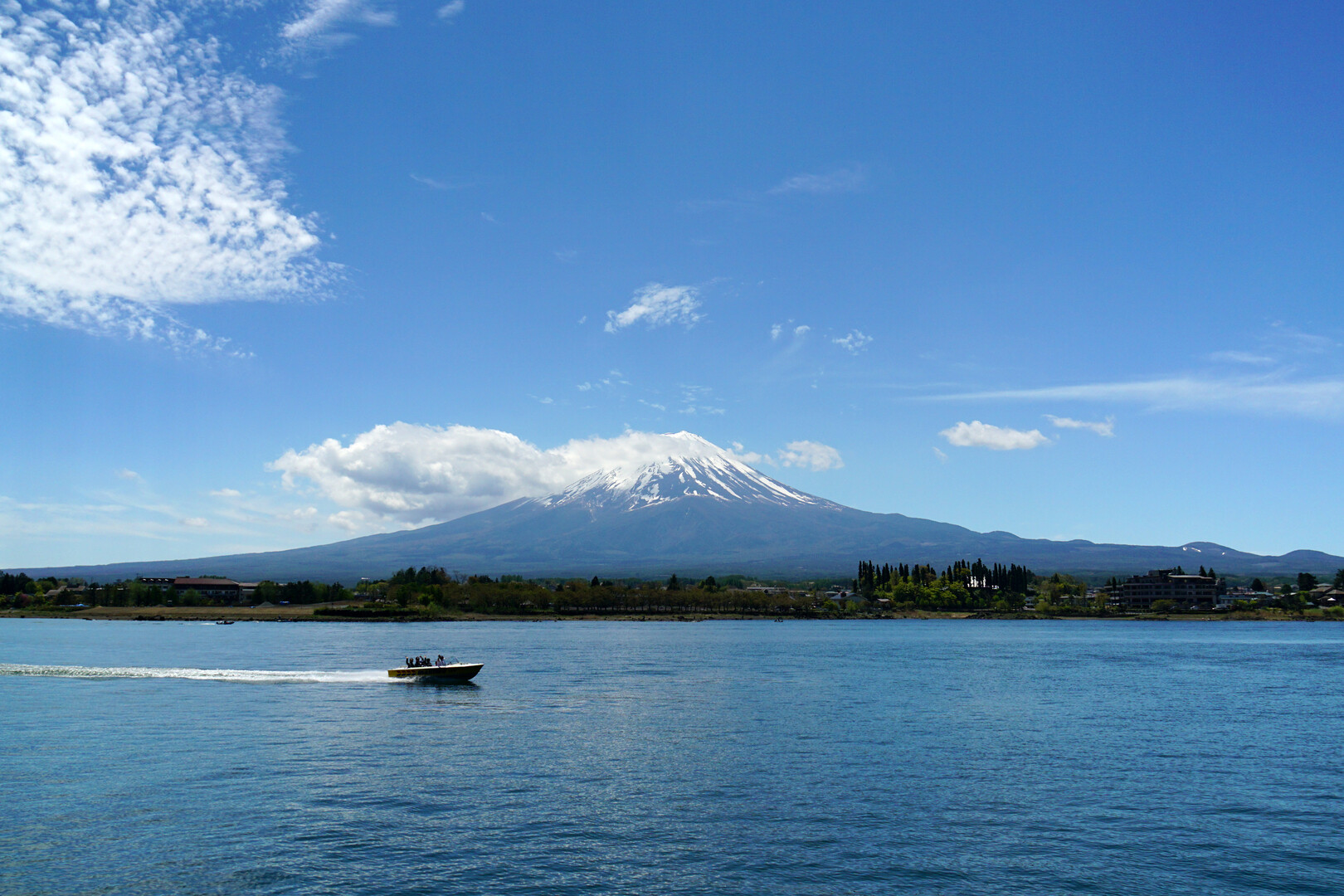
Lakeside walks • boat trips • classic postcard views of Mount Fuji
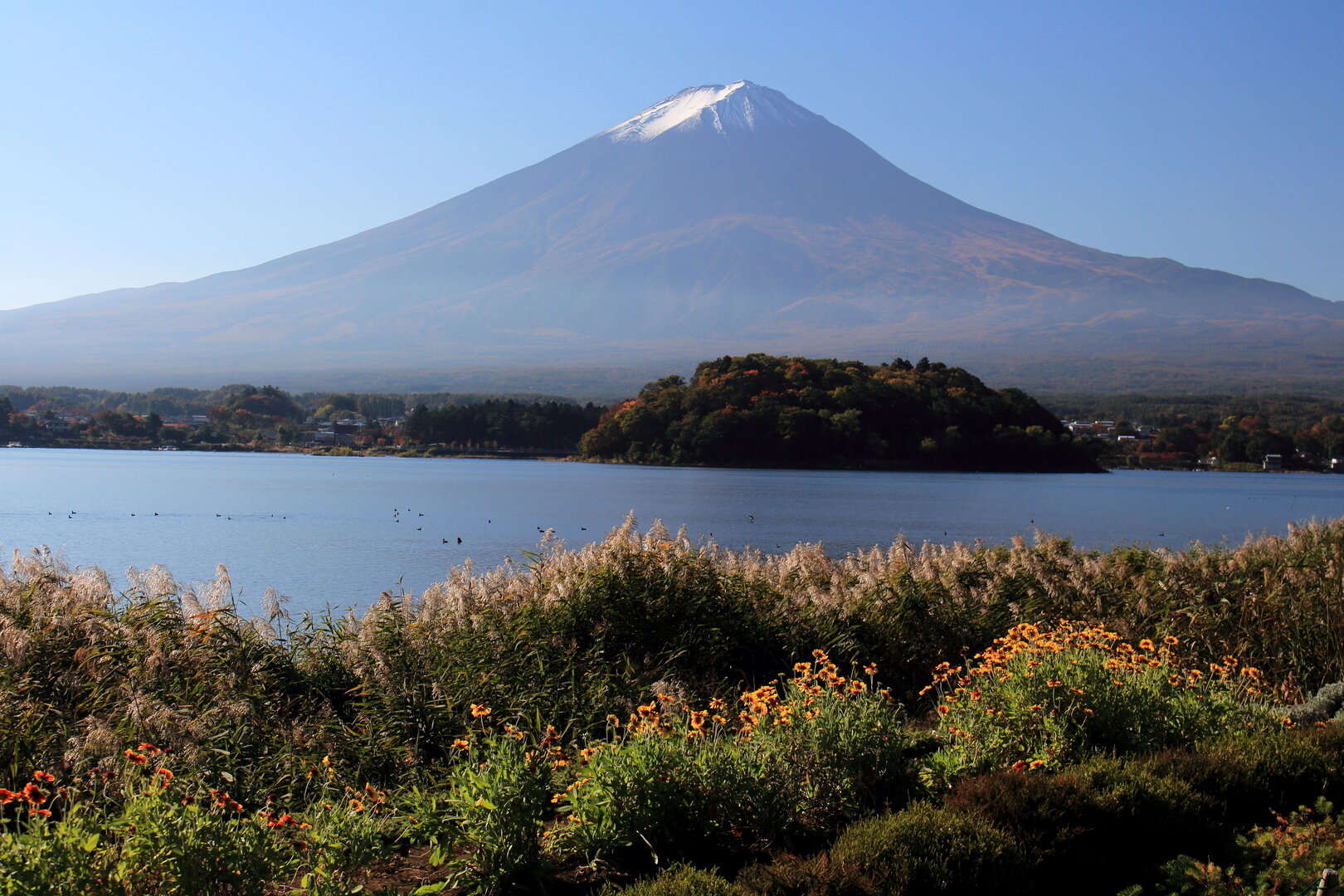
Seasonal flower displays • Fuji viewpoints • lakeside promenade
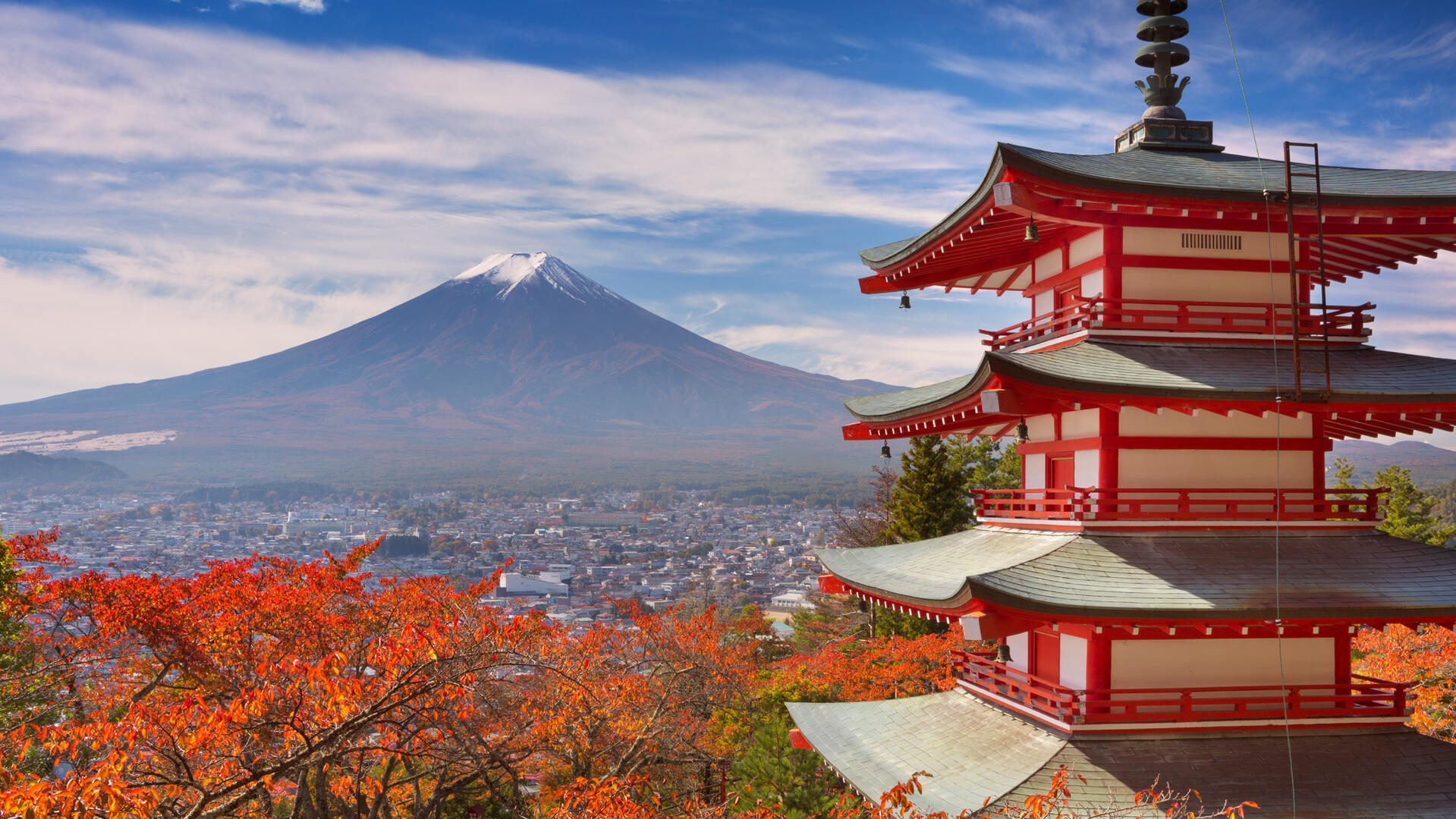
Iconic pagoda viewpoint overlooking Mount Fuji, especially stunning during cherry blossom season
What should I wear for hiking Mount Fuji?
Wear sturdy boots, layered clothing for all weather conditions, and waterproof gear. Japanese mountain weather can be unpredictable and can change rapidly.
Are the trails family friendly?
Some shorter trails around Fujinomiya and the Fuji Five Lakes are suitable for families. The main Mount Fuji summit routes are strenuous and best for experienced, fit hikers.
Are there any fees to hike Mount Fuji?
There is currently no mandatory summit permit, but some areas may request a voluntary climbing contribution. You may also need to pay for parking or camping permits in parts of Fuji-Hakone-Izu National Park.
When is the best time to visit?
July to early September is generally considered the main climbing season for Mount Fuji. Outside this window, conditions can be severe with snow and ice, and only experienced mountaineers should attempt climbs.
Can I photograph Mount Fuji?
Absolutely. Mount Fuji is one of the most photographed mountains in the world, especially at sunrise and sunset. Please stay on marked trails and respect the fragile alpine environment and local communities.
Is Mount Fuji accessible?
Some viewpoints, roadside stops, and lakeside paths around Mount Fuji are more accessible, but the summit trails themselves are steep, rocky, and not wheelchair accessible. Check local information for the latest accessibility options.
Mount Fuji rises 3,776 meters above central Japan and is one of Asia’s most iconic and sacred peaks. The active stratovolcano and surrounding Fuji-Hakone-Izu National Park protect alpine landscapes, lakes, hot springs, and wildlife such as Japanese macaques and sika deer. Visit for sunrise and sunset views, summit climbs in season, and lakeside walks around the Fuji Five Lakes region.